Why More Homeowners Are Choosing Native Plants in 2025
The landscape design industry is experiencing a massive shift toward sustainability as property owners re-evaluate traditional turf lawn management. Incorporating indigenous vegetation into residential outdoor spaces reduces upkeep demands while enhancing visual appeal and environmental durability. By recognizing the practical benefits of native flora, modern property managers and homeowners are transforming routine yards into low-maintenance, ecologically vibrant environments.
Reducing Water Usage and Conservation Demands
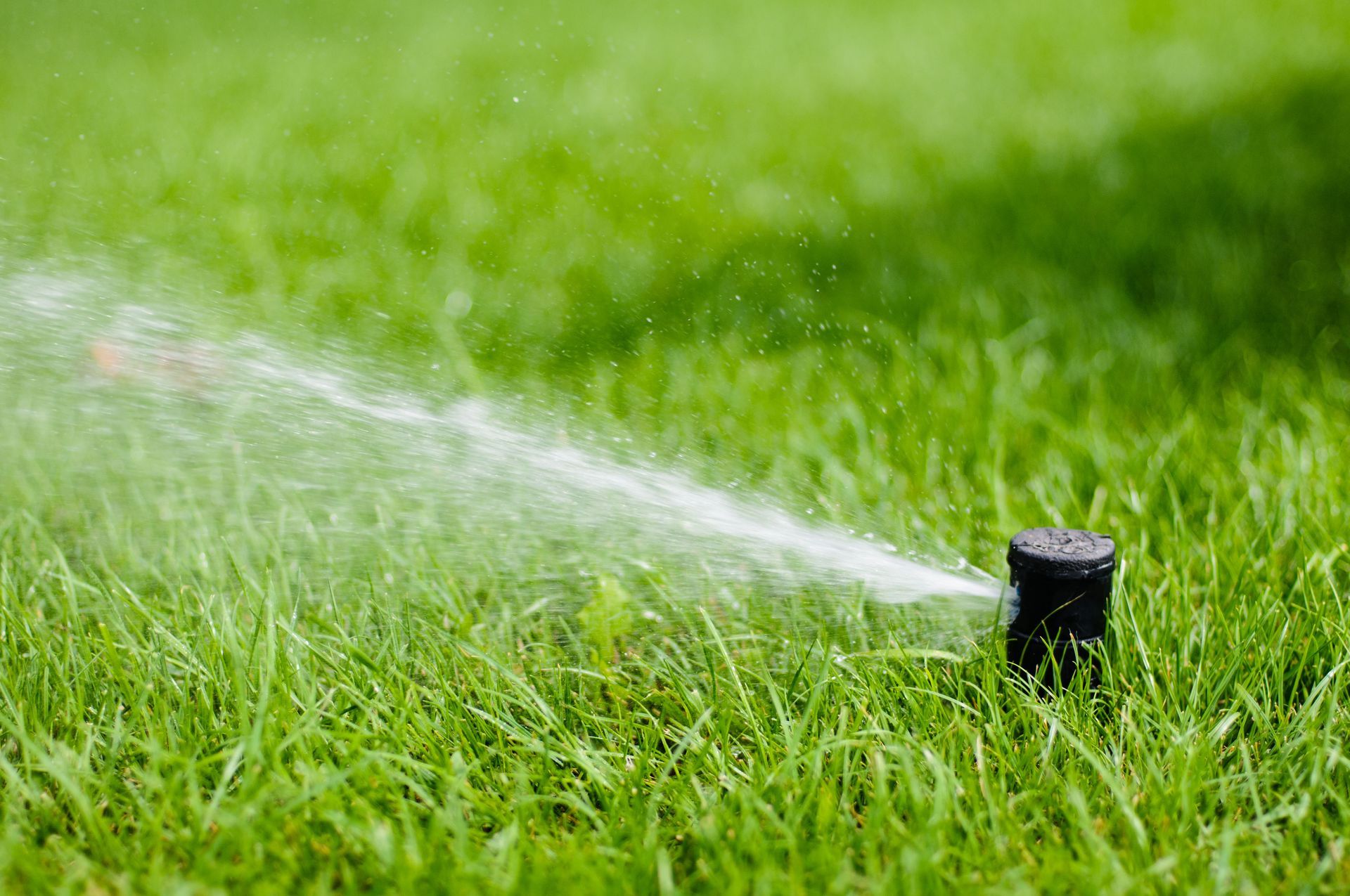
Conventional grass lawns require thousands of gallons of supplemental watering every season to maintain a vibrant green appearance. Native plants, having evolved in local climates and soil conditions over centuries, thrive naturally on ambient rainfall and seasonal weather cycles once established. According to WifiTalents, Native plant landscaping can reduce water usage by up to 50%. This significant decrease in water consumption lowers utility costs and supports regional water conservation initiatives during hot summer months. When paired with smart technology, irrigation services can optimize zone delivery so every plant receives the precise amount of moisture required without runoff.
Smart controllers monitor local weather forecasts and soil saturation levels in real time, automatically skipping scheduled watering cycles during rain events. Furthermore, installing targeted micro-irrigation systems allows moisture to seep slowly into the root zone, preventing evaporative loss caused by high midday temperatures. By replacing high-maintenance turf grass with indigenous flora, property owners establish a sustainable landscape that minimizes ongoing water consumption year after year. Working alongside skilled irrigation companies allows you to audit existing systems, retrofit outdated spray heads, and maximize long-term environmental efficiency across your entire residential property layout.
Enhancing Soil Health and Root Structures
Indigenous vegetation develops deep, intricate root networks that penetrate far beneath the surface layer of soil. These expansive root systems naturally break up compacted ground, allowing rainwater to absorb deep into the earth rather than pooling on top. Improved water filtration stabilizes soil layers, prevents chemical runoff into surrounding storm drains, and reduces topsoil erosion after heavy storms. Furthermore, long root systems improve organic soil structure over time without requiring continuous synthetic fertilizers. Partnering with irrigation companies ensures that newly planted beds maintain consistent deep-root hydration during the critical initial establishment phase.
As roots extend downward, they create subterranean channels that foster beneficial microbial activity and increase organic carbon storage within the soil matrix. Deep root pathways also improve natural soil aeration, enabling surrounding garden beds to retain vital nutrients through consecutive growing seasons. Over time, these biological changes eliminate the need for mechanical soil aeration or toxic chemical soil conditioners. Establishing healthy soil conditions through native plantings ultimately creates a self-sustaining landscape foundation that thrives with minimal human intervention. Working with qualified irrigation companies during system setup helps establish optimal cycle lengths, encouraging roots to grow even deeper in search of moisture while keeping surface soil intact.
Minimizing Routine Maintenance and Upkeep Costs
Maintaining a traditional non-native lawn requires ongoing mowing, dethatching, aerating, and chemical applications throughout the growing season. Native perennials, shrubs, and ornamental grasses naturally resist local pests and plant diseases, eliminating the need for harsh pesticides and expensive chemical treatments. Once native species mature, routine maintenance converts to light seasonal pruning and occasional bed weeding. Homeowners save substantial time and money on lawn maintenance packages while enjoying clean, well-structured garden spaces. Experienced irrigation services can adjust automated watering schedules as plants mature, shifting from active irrigation to minimal seasonal supplemental watering.
Transitioning from high-input turf grass to adapted local species significantly reduces recurring operational expenses associated with weekly lawn care services. Property owners spend fewer weekends pushing lawn mowers, spreading granular fertilizers, or repairing damaged sprinkler heads. Eliminating continuous synthetic fertilizer applications also protects local groundwater supplies and prevents hazardous lawn chemicals from entering municipal storm drains during heavy rain events. Additionally, established native gardens naturally outcompete aggressive invasive weed species, further cutting down on labor-intensive herbicide applications. Partnering with professional irrigation companies during seasonal system checkups ensures your watering controllers remain properly calibrated to support low-maintenance growth, keeping utility bills low and plant health exceptionally high year after year.
Supporting Local Wildlife and Pollinator Ecosystems
Traditional manicured lawns create ecological deserts that offer minimal shelter or food for beneficial insects and songbirds. Native flora supplies crucial nectar, pollen, seeds, and nesting habitats tailored specifically to local birds, bees, and butterflies. Restoring native vegetation creates connected wildlife corridors through residential neighborhoods, boosting biodiversity across urban and suburban communities. Blending colorful native flowers with structural shrubs provides continuous blooms from spring through early autumn, enhancing overall property aesthetics. Modern irrigation companies can install specialized drip lines that deliver moisture directly to plant roots without disturbing fragile pollinating insects.
By delivering precise hydration at ground level, low-volume drip emitters prevent overhead spray from washing away delicate nectar or damaging tender petals where bees and butterflies feed. Target-zone watering also minimizes humidity build-up around dense foliage, preventing fungal leaf diseases without relying on harsh chemical sprays that could harm beneficial organisms. Furthermore, automated drip systems can be programmed to run during early morning hours when key pollinators are inactive, ensuring garden beds stay thoroughly hydrated without interfering with daytime wildlife activity. Integrating habitat-friendly watering solutions allows property owners to cultivate vibrant, biodiverse landscapes that support fragile local ecosystems while conserving precious water resources. Collaborating with knowledgeable irrigation companies ensures that your custom layout balances precise moisture management with environmental stewardship, creating a healthy sanctuary for local wildlife year after year.
Improving Weather Defense and Climate Resilience
Property owners in coastal or storm-prone environments must prioritize impact resistance to safeguard against heavy winds, driving rain, and flying debris. Heavy-duty hurricane impact models feature laminated safety glass and reinforced frames designed to maintain structural integrity under extreme pressure. Standard glass panes can easily shatter during severe weather, exposing interior spaces to destructive winds and water intrusion. Impact-rated units eliminate the need for unsightly exterior shutters while providing continuous, year-round storm defense and enhanced sound insulation. Choosing weather-certified materials protects your real estate investment from costly storm damage.
Exterior doors built with impact resistance in mind incorporate multi-layer glass interlayers that hold together even when cracked, preventing air pressure shifts that could compromise a building's entire roof structure during high-wind events. Heavy-duty hardware, reinforced hinges, and heavy-gauge framing work together to keep the doorway securely anchored during major weather events. By investing in tested impact performance, you gain reliable storm defense, improved intruder deterrence, and lower property insurance premiums. Working with knowledgeable installation specialists ensures that impact units meet rigorous regional building codes while delivering seamless operational performance year after year.
Increasing Property Value and Curb Appeal
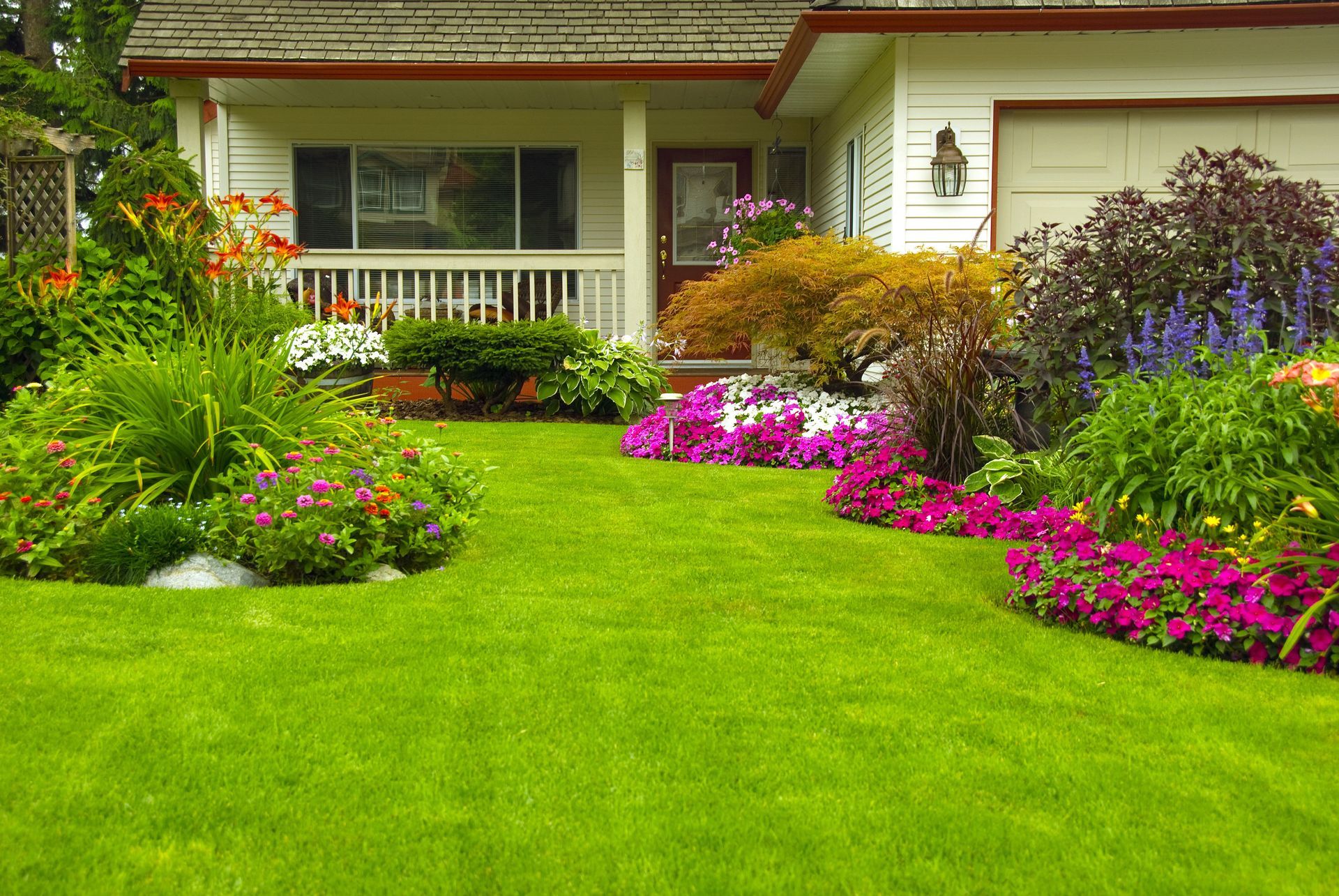
Sustainably designed landscapes have become a major selling point for eco-conscious home buyers seeking low-maintenance living. A carefully designed native landscape replaces uniform green turf with rich textures, multi-tiered garden beds, and vibrant seasonal color variations. Thoughtfully arranged native beds define clear property boundaries, frame architectural features, and create inviting outdoor living spaces. Potential buyers appreciate the reduced utility bills and minimal weekend labor associated with established native garden layouts. Collaborating with irrigation services during the initial design phase ensures your custom landscape remains vibrant, healthy, and visually stunning throughout the year.
Adopting native plant landscaping represents a practical, cost-effective approach to creating beautiful and resilient outdoor environments. By prioritizing sustainable plant selection, deep-root hydration, and efficient water management, you can enjoy a thriving yard that protects natural resources. For expert assistance with custom landscape design, professional lawn maintenance, tree care, hardscaping, and specialized services by professional
irrigation companies, contact the experienced team at Angel Molina Landscaping.

Share On: